Our Location
304 North Cardinal St.
Dorchester Center, MA 02124

304 North Cardinal St.
Dorchester Center, MA 02124

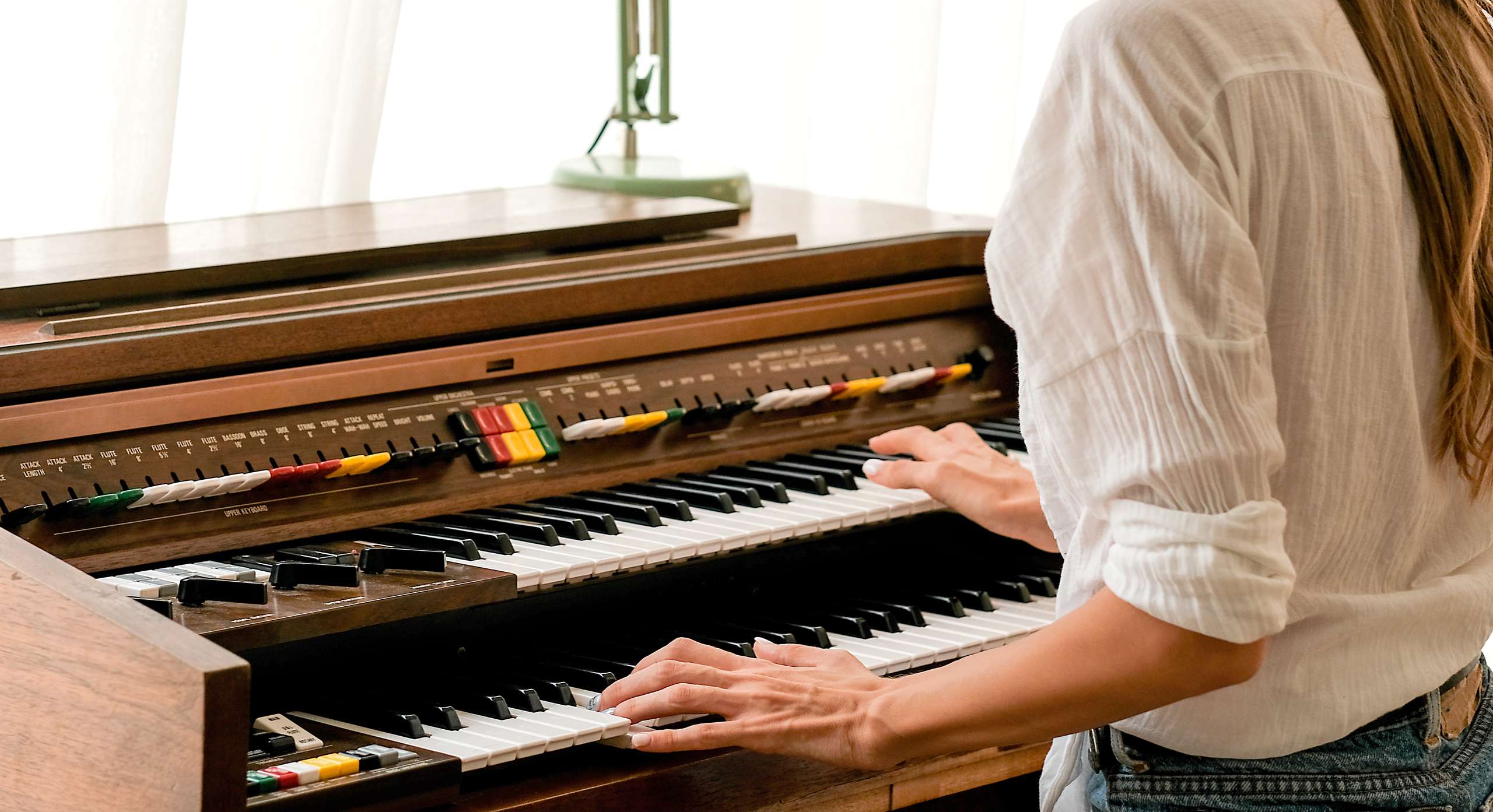
The greatest gift of regular piano practice is that it develops your mindset as much as your technique. When you commit to practicing daily, you not only improve your piano skills, but you also cultivate mental toughness and discipline that can benefit all areas of your life. This is the real power of daily practice — it has the potential to positively impact your entire mindset, leading to a happier, more confident you.
A common perception of practicing the piano involves getting faster, being more precise and playing more complicated pieces. What most don’t realize is that regular practice not only aids finger dexterity and memory but also affects one’s persistence, tenacity and discipline. Practicing every day involves repeating the same sections, facing the same errors and tolerating the same pace. These actions, over time, instill a tolerance for frustrations and failures that one could use in other areas of life.
Perhaps the biggest shift is that the relationship to time and work shifts. New students expect to get things done fast and quickly but find the piano shows them that patience is really the only way. You struggle to play a passage, but after a week, you look at it and find it easy. Not because you had a magical moment of insight, but because you simply worked on it enough. Consistency is king. Eventually, it sinks in, and they stop getting frustrated and trying to force things, and just accept working on the things.
A more minor but equally notable change is increased listening ability. Piano playing isn’t just about putting your fingers on the right notes in the right order – you also have to control the sound. After a while of practice, you become more able to pick up on small changes in tone, and in rhythm, and even in the relative volume of each hand. This transfers a bit to other parts of your life, so you will notice small things more often, and you will be more careful in your speech. If you have to pay close attention to the way a musical line is phrased, then you will also pay more attention to the way a person is phrasing themselves, even if it’s not so straightforward as music.
Consistency helps you develop a better attitude towards mistakes, too. When you play the piano, you will make mistakes. And you will hear them. So there’s no escaping them. The only thing you can do is to diagnose, correct, and repeat. This process demystifies mistakes. It stops being a synonym for failure, and starts being synonymous with learning. You start to fear mistakes less and less, and get more and more curious about how you actually get better. This helps you to dare to try new things, and therefore reduces your fear of not being able to do something perfectly.
Over time, piano practice isn’t about playing the piano anymore. It’s about learning to be disciplined but adaptable. The piano is where I go to practice concentration, imagination, and patience. I remind myself daily that it’s the minor changes that add up, not the grand gestures. And even after the music is gone, the lessons I’ve learned at the piano — to persist, to listen, to endure — will guide me as I tackle other pursuits.