Our Location
304 North Cardinal St.
Dorchester Center, MA 02124

304 North Cardinal St.
Dorchester Center, MA 02124
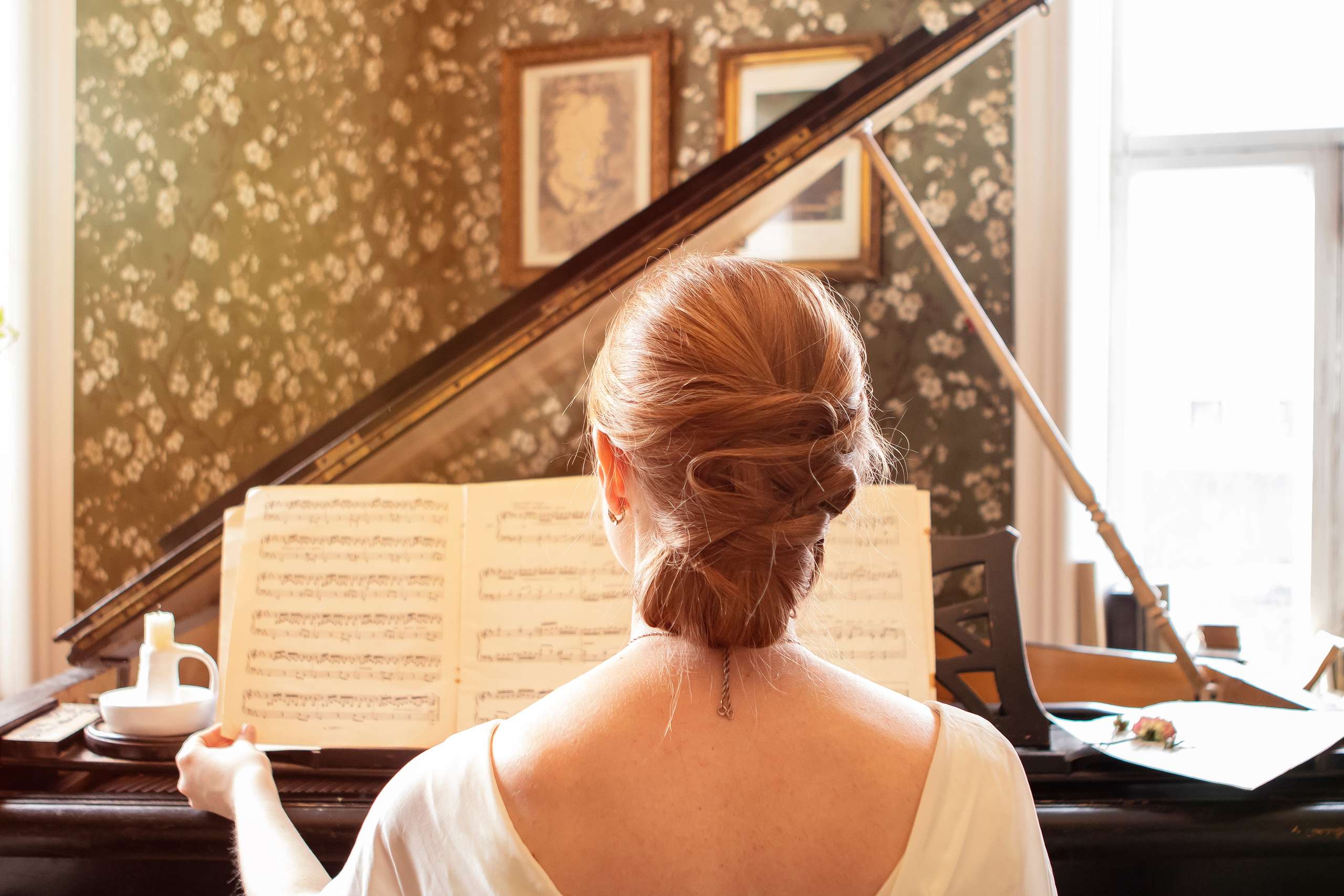
Learning difficult music is another area where slow practice can be incredibly helpful.The idea is to go through a challenging piece from beginning to end, playing each hand separately and very slowly, and stopping at each place where you make a mistake to correct it. Once you’ve played the piece all the way through, go back to the beginning and do it again. Keep repeating this process until you can play the entire piece without any mistakes. It takes a lot of discipline to play slowly like this, but it’s worth it in the end, because you can learn pieces much faster than you would otherwise, and you can also learn much harder pieces than you would be able to otherwise.
It is often tempting to rush along and play quickly. It’s fun, and it feels like you are making progress more quickly. But the truth is that slow practice is your greatest ally in the practice room. It is often necessary to go slowly so that you can pay attention to the intricate details of what your hands and mind are doing.
Slow practice makes it easier to coordinate the hands. This is particularly important if the hands have different rhythms or patterns. At a fast tempo, your brain can only make a guess at it, and you end up with rhythms that aren’t even, or accents where you don’t want them. If you slow the tempo down, you have time to figure out exactly how to move, and to make sure your fingers hit the right keys in the right order. That means that you’re not building in mistakes that have to be fixed later. So, slow practice prevents the mistakes from ever happening.
Just as significant as the technical benefits, however, is the impact that practicing slowly has on the sound we produce. In our haste to get all the notes played, we may allow the sound to become forced, scratchy or otherwise unpleasant. When we practice at slower tempi, we begin to notice the quality of each individual note, the clarity of chordal textures, and the contours of musical line. Our practice sessions take on the added dimension of sound production and refinement. As we increase the speed, we retain the capacity to produce the dynamics and articulations that we have learned to master.
It’s also easier on the body. If you try to play something fast, especially if it’s very hard, you will find that you start to tense your fingers, wrist and arm. Tensing up makes you move slower and more prone to injury, but you can play at a relaxed speed where it feels like you are using the most efficient movements and fingerings possible, and your fingers are in their most comfortable places. You can work up to a fast speed and still not have to push or strain at all.
The best is the psychological benefit. Slow practice develops patience and attention. It helps you focus on details and performance quality rather than just finishing. Once you’re ready to move to full speed you will actually feel more comfortable at that tempo than you did before, simply because you’ve now played each note at slower tempo. It is not really any harder to play faster, you just feel it is because you haven’t played it slower.